
The London Mosaic story
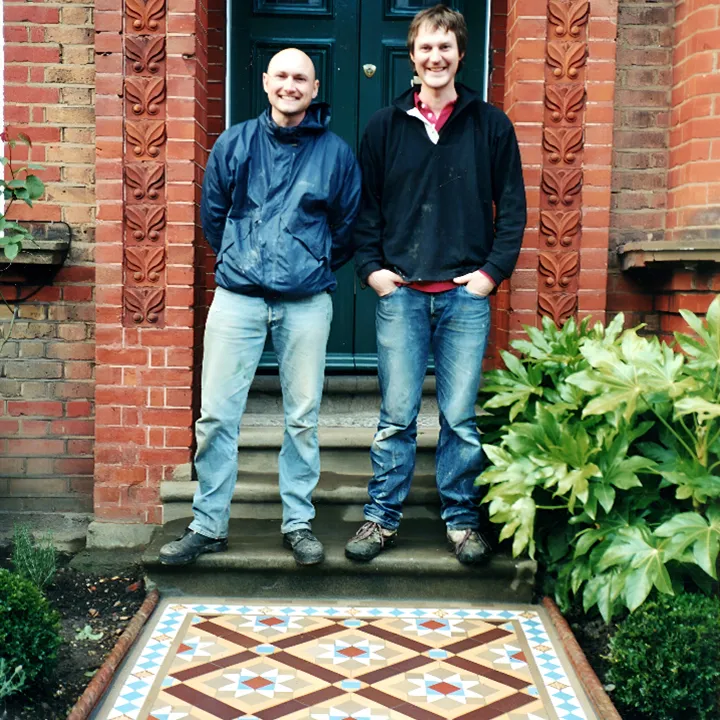
Julian's story
I was born and raised in the UK, studied art and ceramics and earned a fine art degree in sculpture before moving to London in 1998, where I embraced the chance to live and work. That's when I discovered historical mosaics, a craft I felt could be home to my creativity and generate an income. Little did I know this would lead me down a path that has shaped my entire life and career and led to the founding of London Mosaic.
I then learned the trade of Victorian tile restoration and installation, which would broaden to encompass significant projects as I became more confident and established in restoring tiles and mosaics.
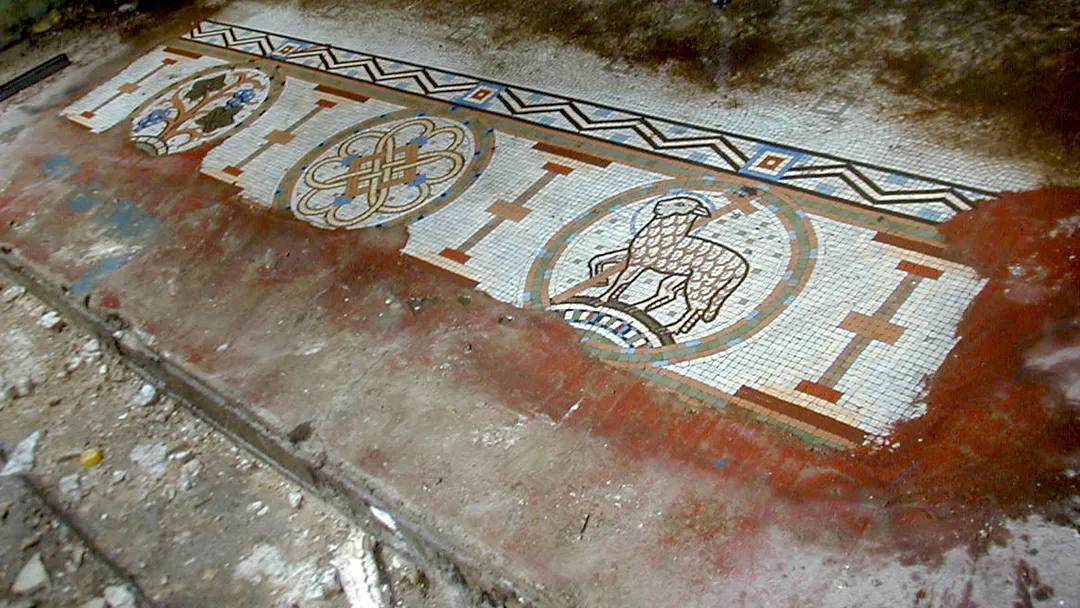
One of my first was the salvage and restoration of tiles from a derelict building that once formed part of the British Empire Exhibition in the 1920s. With an assistant, I repaired and then framed a section of ceramic mosaic and a set of Whitefriars glass tiles that were extracted from a derelict chapel for display in a new building at Wembley Park.


The challenge
It soon became evident that there was a clear shortage of skilled tradespeople offering period tile and mosaic restoration. It was disheartening to come across so many poorly done repairs and installations.
Often, I witnessed low-quality materials and techniques that didn't do justice to the original beauty of heritage flooring. There was immense room for improvement and opportunities for someone with the right approach and care.

Having built a reputation as a self-employed restorer, I established London Mosaic Restoration Ltd in 2005, which brought new challenges. With no formal business training, I had to learn everything from the ground up while staying true to my values. Expansion was more problematic than I anticipated. I attempted to teach others how to install and restore period heritage tiling, but juggling several projects throughout London became challenging. It took a toll on me, and I realised I needed to change the focus of my business.
Innovation
A turning point for the company was when I began experimenting with new ways to pre-assemble bespoke sheets of Victorian mosaic tiles. The production and creation of mosaics using sheets is not overtly unusual and streamlines the installation process.
The traditional techniques for sheeting make use of paper and glue, and factories typically rely on a mesh backing. These methods didn't work well for creating Victorian tiled floors. So, I began to develop new ways to deliver and install these striking geometric tile designs.
Through countless trials, I gradually refined a system that allowed tiles to be pre-arranged in accurately spaced sections, making the installation more efficient. I developed a system of jigs to hold the tiles at precise distances, accommodating the natural variations in tile size and the many different designs.
Applying a polythene adhesive sheet to the tile faces ensured the design remained visible while keeping everything in place. This method meant affixing multiple tiles in one application was possible and eliminated the broad, unsightly grout lines, something no tiler wants when replicating the beauty of Victorian flooring.

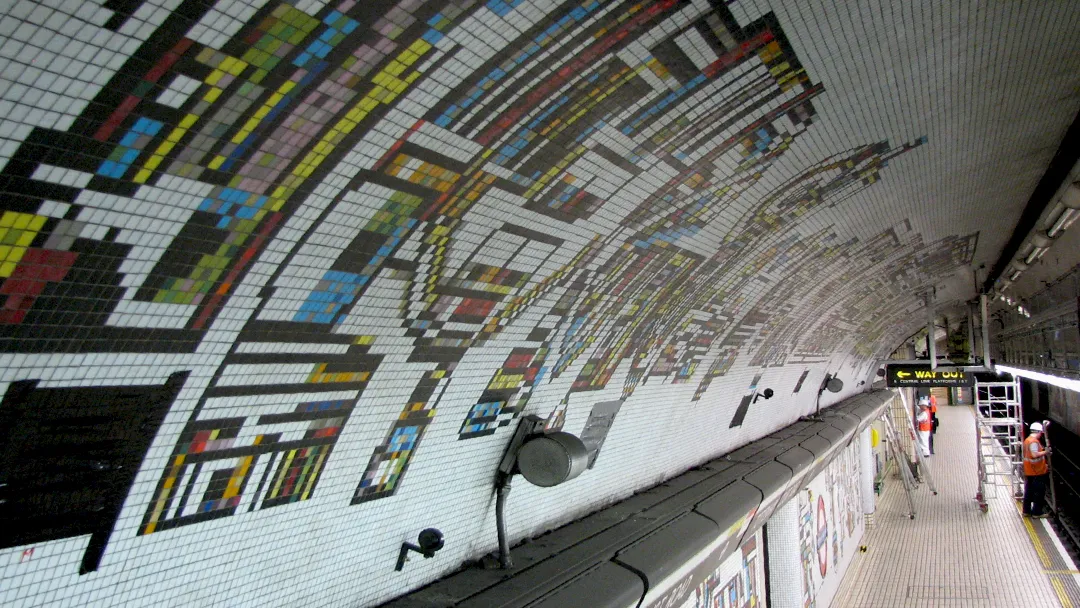
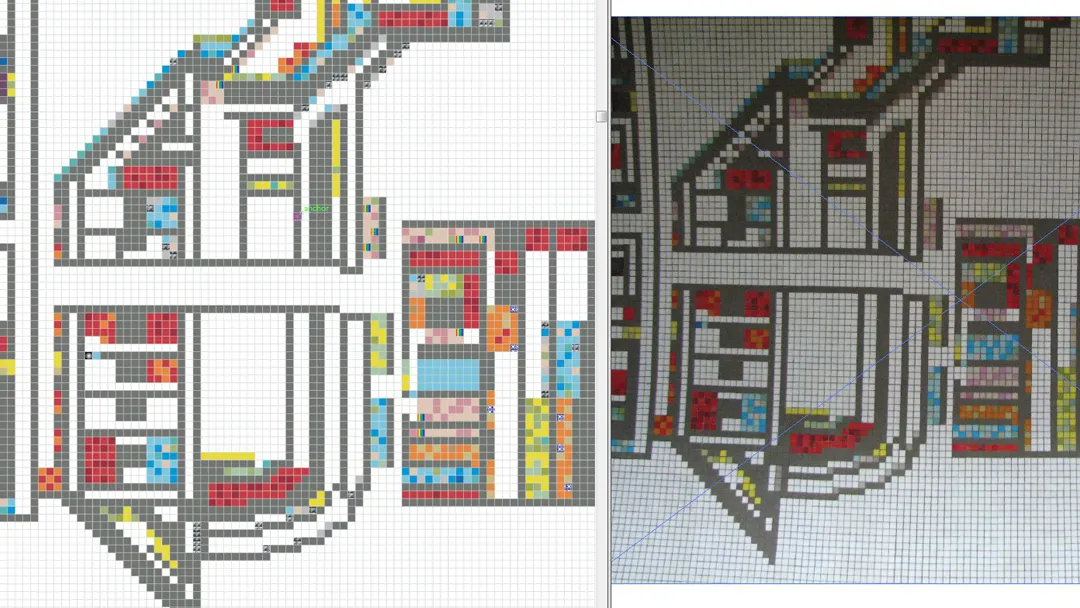
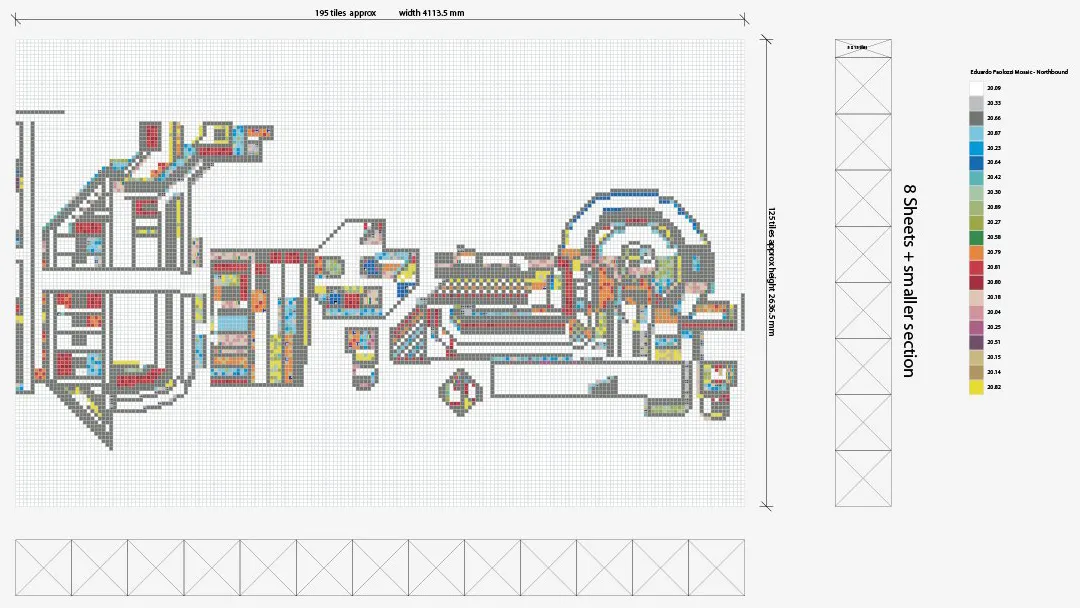
As demand for our work grew, we were commissioned for increasingly prestigious projects. In 2014, we undertook survey work at Tottenham Court Road tube station to document and preserve the mosaics created by renowned artist Eduardo Paolozzi. This project reinforced our technical expertise in the mapping and design of mosaic works.
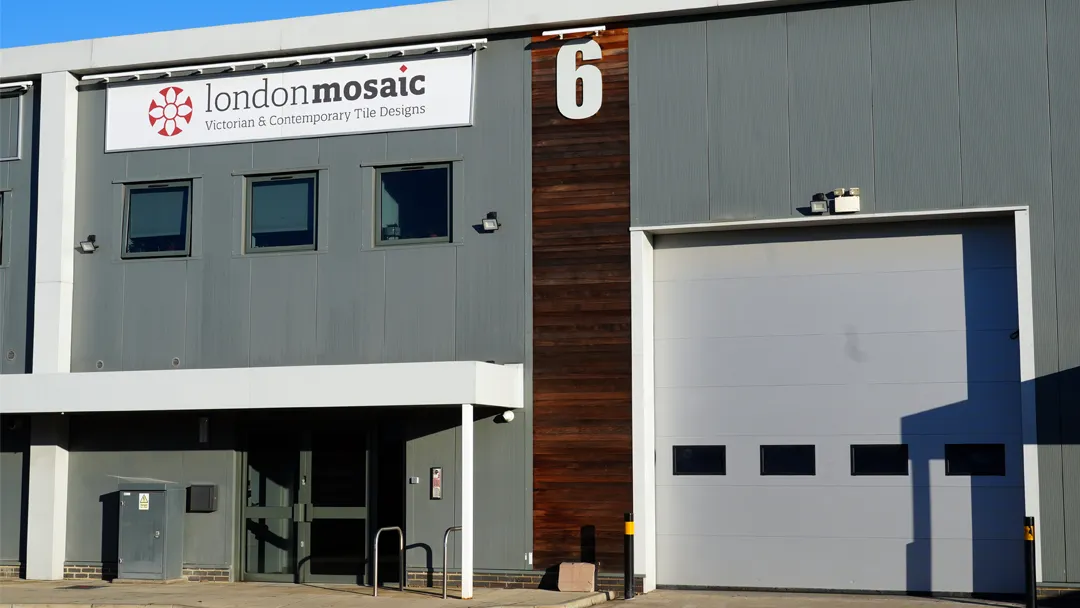
A significant shift for the company happened when my growing team and I moved from a workshop on Brixton Hill to our first dedicated industrial unit in Forest Hill. This expansion allowed us to refine our production process, develop our facilities, and better meet the needs of a growing number of employees and customers.
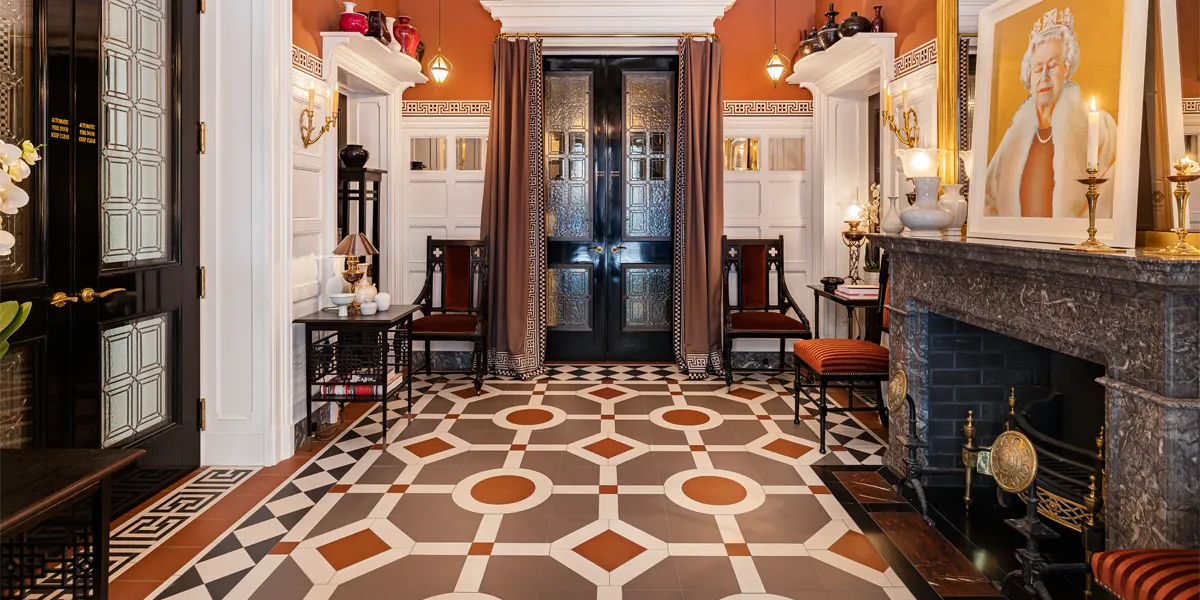
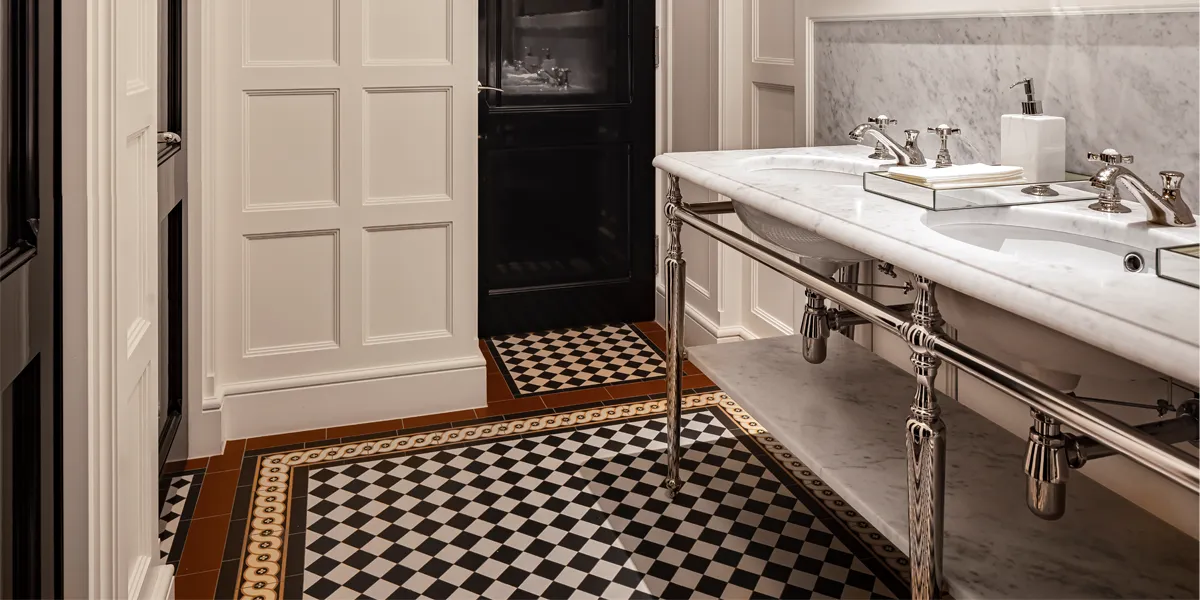
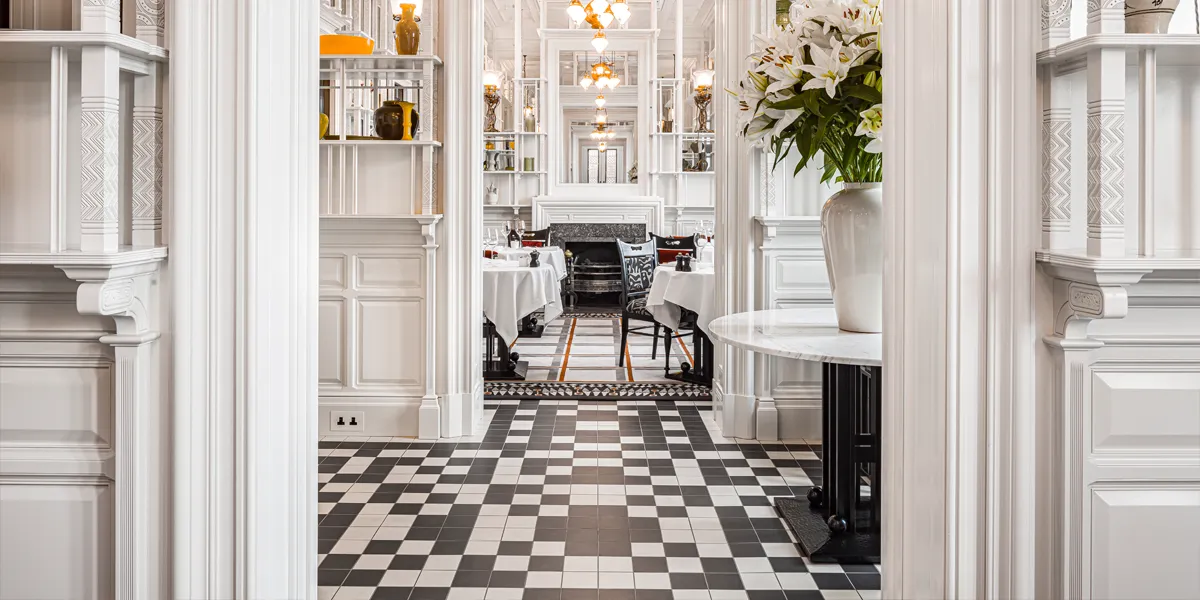
The company continued to evolve, and in 2020, we upgraded to larger premises on the Chiltonian Industrial Estate. That same year, we began planning bespoke geometric tile designs for At Sloane, a boutique hotel in London. This project, designed by François-Joseph Graf, was eventually completed several years later and showcases our ability to merge period accuracy with contemporary luxury, supplying over 500 square meters of bespoke geometric floor tiles.


Setting new standards
Today, I am proud that London Mosaic has become synonymous with innovation and excellence in heritage tiling. Our sheeted system has redefined the installation process, reducing fitting times and enhancing accuracy. We have helped make Victorian tiling more accessible to skilled tradespeople across the UK, allowing them to confidently install historic English tile designs without compromising quality.

But what truly distinguishes us is our team. London Mosaic thrives because of the talented individuals who share our vision of an innovative commitment to the legacy of Victorian crafts. Several of our team members, such as Dan and Ingo, have been with me since the beginning, a testament to our dedication to quality and the strong foundation we have built together.
Choosing London Mosaic means you’re not just buying tiles; you’re sustaining a rich tradition of English Victorian tiling. You can feel confident that you’re on your way to creating a beautiful, high-quality tiled floor that will last for many years to come.