

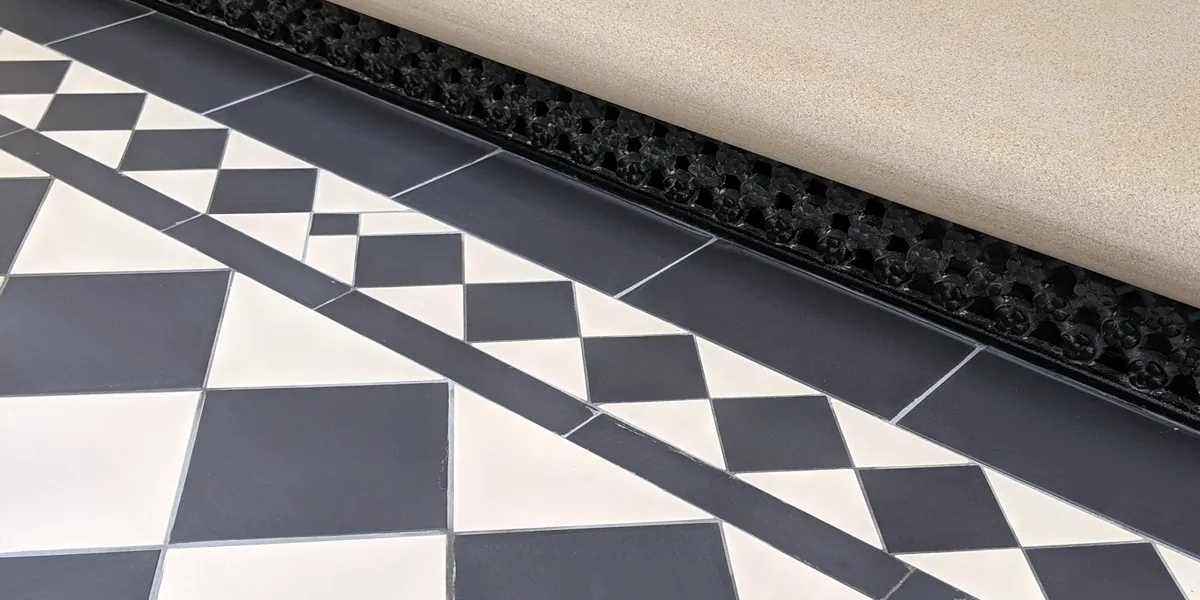
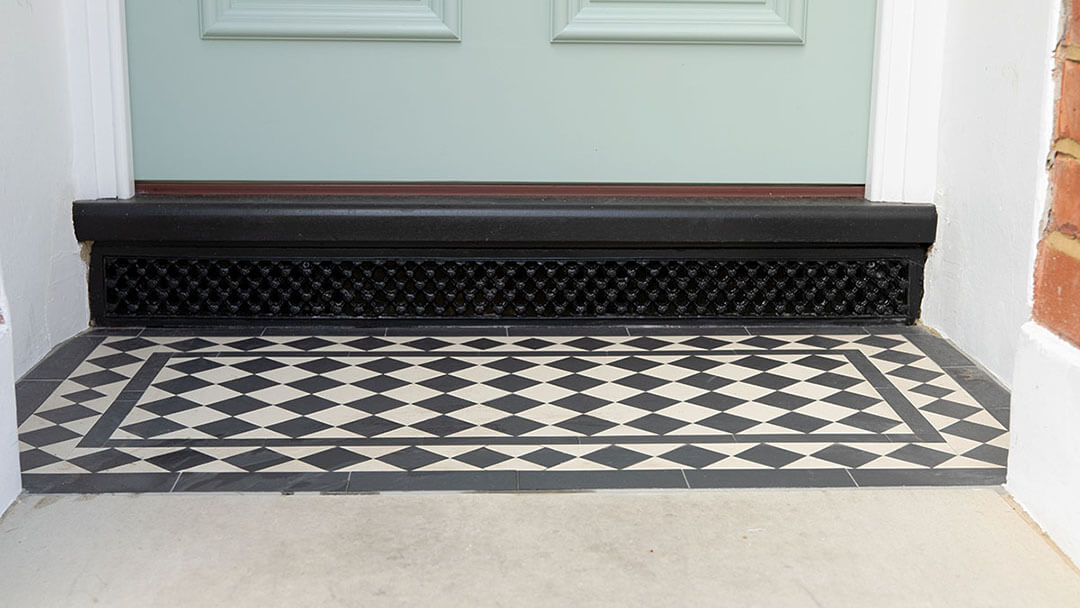
Look down at the steps of a Victorian entrance, and you may notice a small ornate grille set beneath the threshold or built into the porch step.
Known as a daisy grate, this traditional Victorian air vent cover was designed to allow fresh air beneath suspended timber floors.
These decorative ventilation grilles helped regulate moisture beneath the building and remain an important part of maintaining a healthy environment in period homes today.
A detail worth restoring
Long before London Mosaic specialised in the design and supply of geometric tiled floors, much of our work involved the restoration of Victorian entrances and porches. It was during these projects that we repeatedly encountered original cast-iron air vents and ventilation grates that had deteriorated beyond repair.
Many were heavily corroded, blocked or missing altogether, while suitable replacements that matched the proportions and character of the originals were becoming increasingly difficult to source.
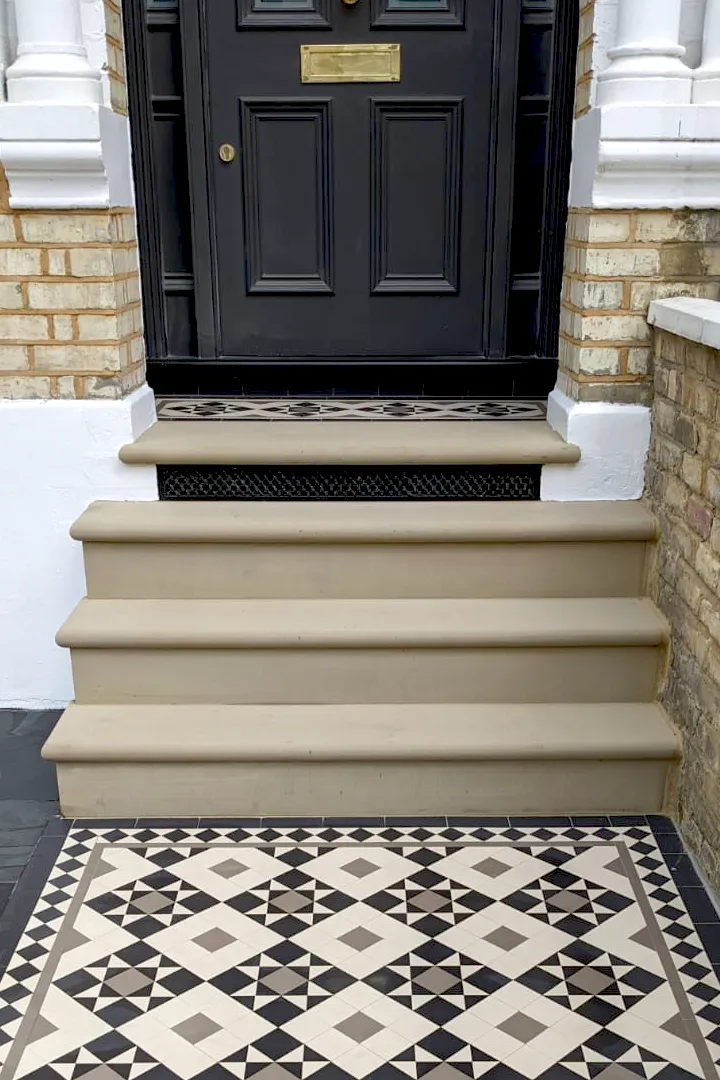
Over time, the importance of these small architectural details became increasingly apparent. These grilles were not simply decorative features. They played an important role in the building's health while contributing to the entrance's character.
Why ventilation matters
Victorian houses feature solid walls and suspended timber floors, depending on natural subfloor airflow to manage moisture and prevent damp.
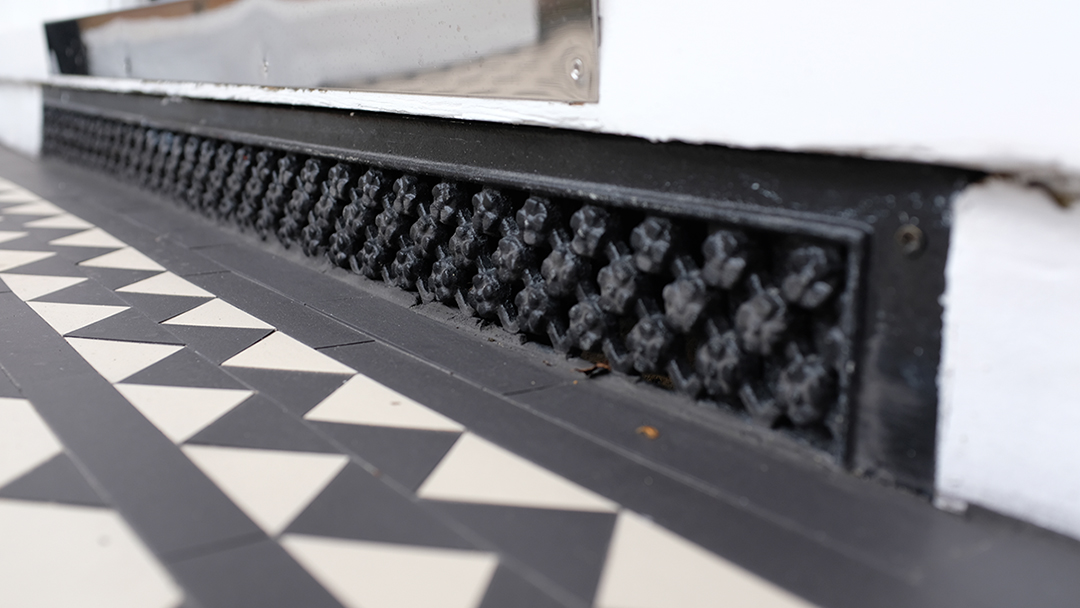
If ventilation becomes restricted or blocked, moisture can build up beneath the floor. Modern heating systems may make this worse through repeated cycles of drying and condensation. Without proper airflow, these conditions accelerate timber movement, cracking and the gradual deterioration of both the structure and finishes.
Throughout our restoration work, we regularly uncovered the effects of poor ventilation beneath old entrances and suspended floors. Damp air, trapped debris, weakened screeds, crumbling mortar and decaying timber supports were not uncommon, particularly around thresholds and ground-level structures exposed to years of moisture.
In some cases, entire sections of flooring had collapsed due to the deterioration beneath. Blocked coal chutes and sealed vents are also frequently discovered in older properties, further restricting the movement of air below the building.
A well-placed ventilation grille helps maintain the building’s original airflow, protecting it from moisture damage and supporting its long-term stability.
An authentic reproduction
As suitable replacements became increasingly difficult to source, we took steps to preserve original moulds so that these classic Victorian air grille designs could continue to be produced.
What began as a recurring issue encountered during restoration work ultimately became an effort to ensure that this traditional Victorian detail could continue to form part of period homes today.
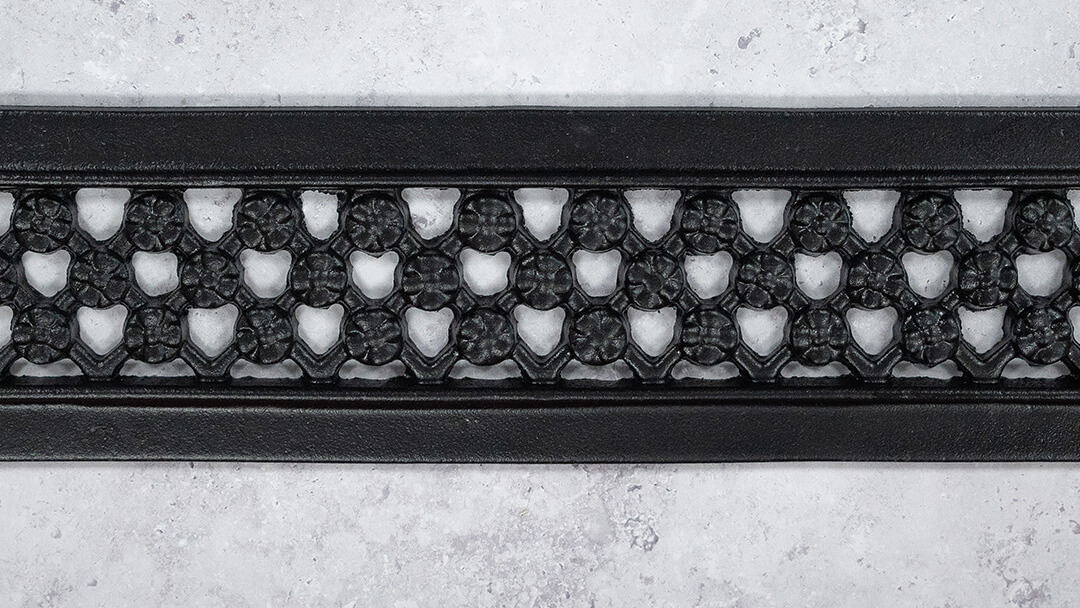
Our grates are accurately based on an original Victorian pattern, featuring a simple, ornate floral motif that mimics a daisy at each intersection of the diagonal grille.
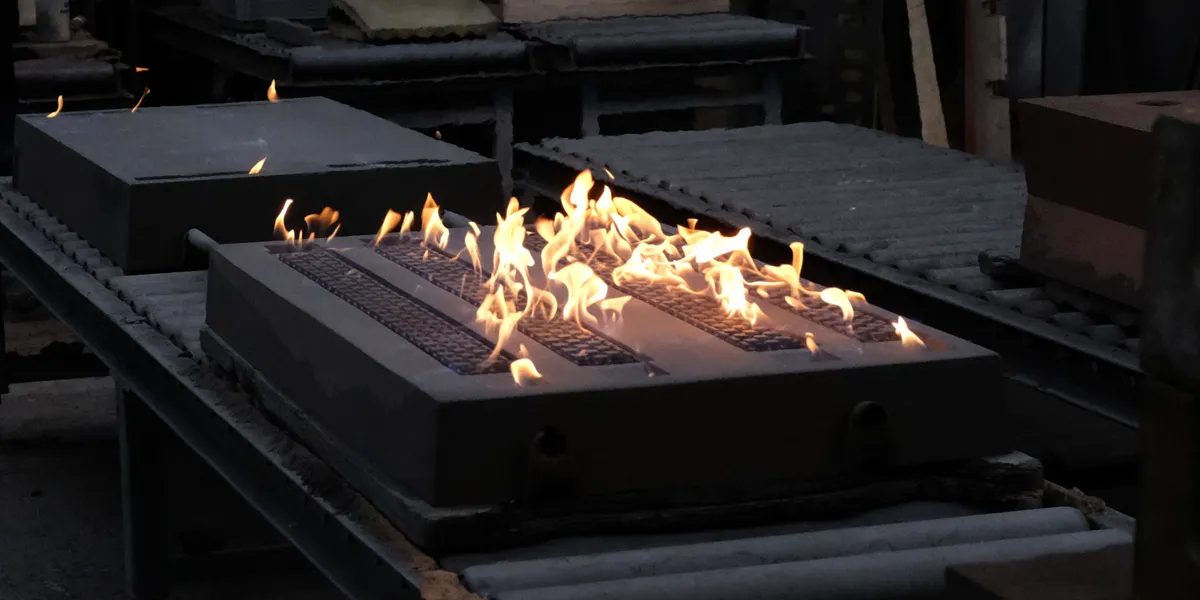
Each piece is hand-sandcast in high-grade aluminium at a specialist, independent British foundry. This material offers practical advantages over cast iron, which was the traditional material used. It is lightweight, durable and rust-resistant.
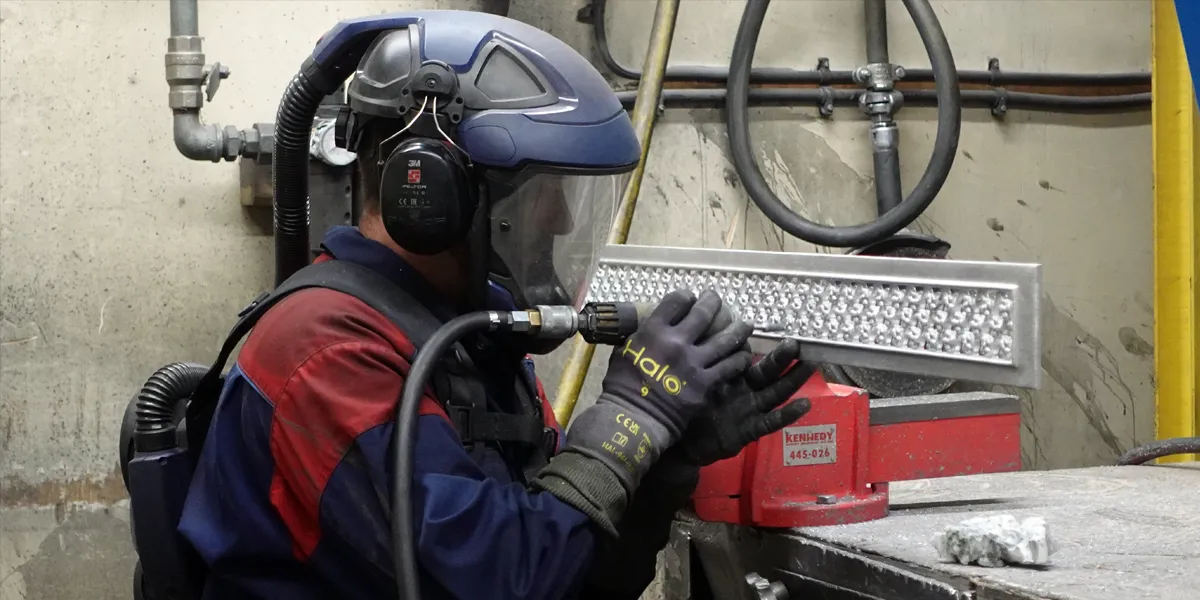
The result is a practical ventilation grille that remains entirely in keeping with the character of a Victorian entrance.
Making our daisy grates
We visited the foundry to see the process of making each of our daisy grates by hand. This short video gives a brief glimpse into the manufacturing process, from preparing and filling the moulds to the finishing details.
Long-term care
The daisy grate is a simple yet important component.
By allowing air to circulate beneath suspended floors, a grille helps the building breathe as originally intended while remaining in keeping with its character.
In historic homes, longevity often comes down to careful maintenance and attention to detail. Ventilation helps protect timber, plaster and masonry from unnecessary deterioration, supporting both the structure and the building's continued life.
In entrances with geometric tiled floors, it contributes to the long-term stability of the tiled surface above, ensuring that these period and heritage floors last for many decades to come.