
Georgian style floor tile designs
This collection draws inspiration from the characteristic design elements of the Georgian era. The guiding principles emphasised clean, balanced lines, a simpler and more muted colour palette, and overall less ornamentation compared to the Victorian period, which it predates.
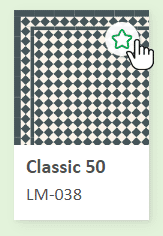
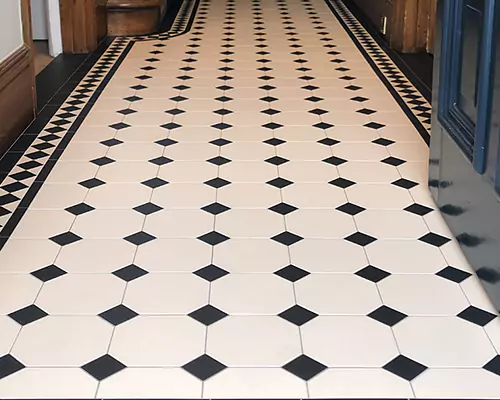
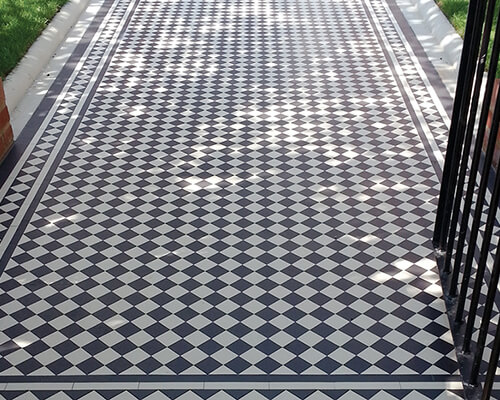
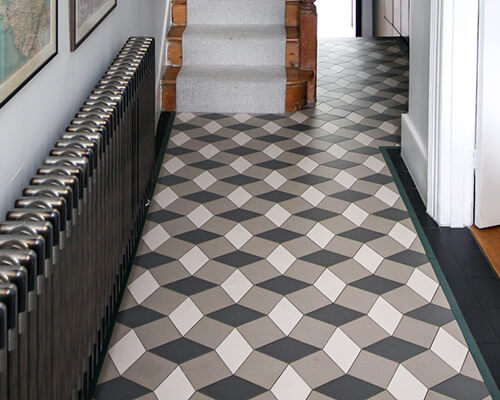
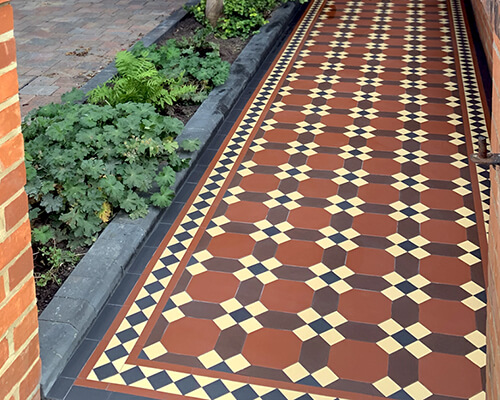
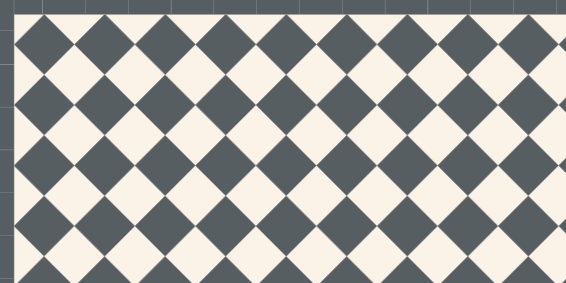
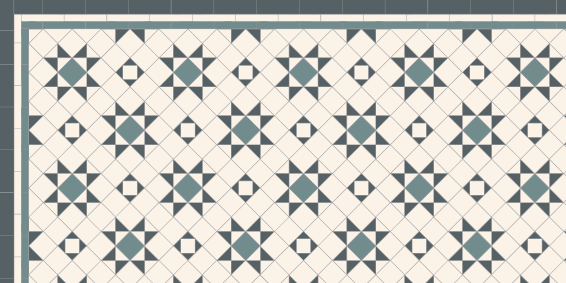
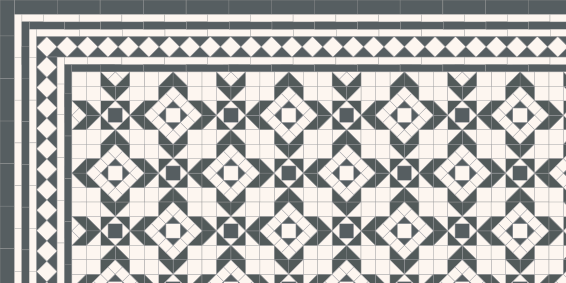
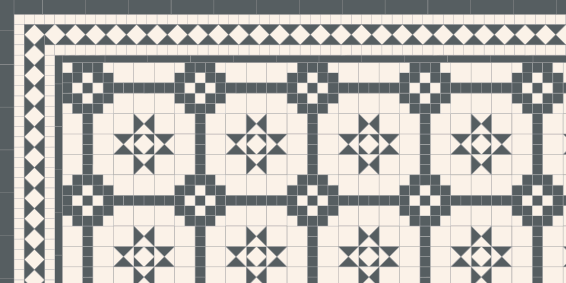
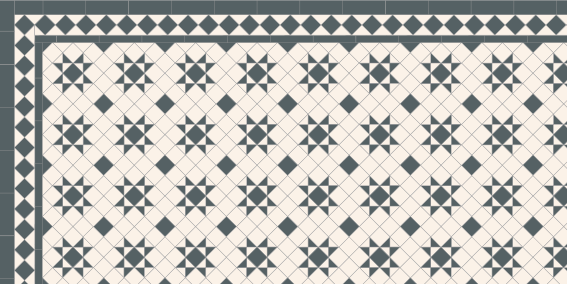
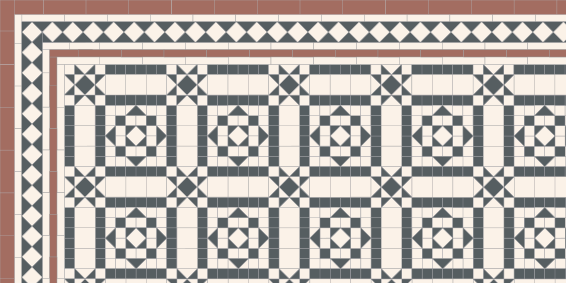
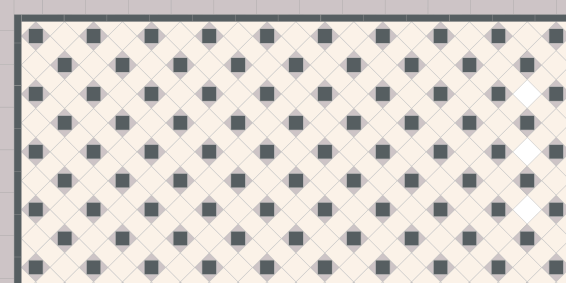
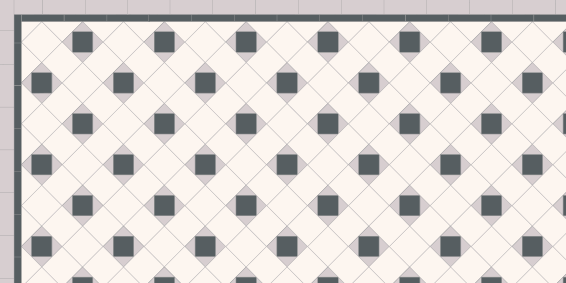
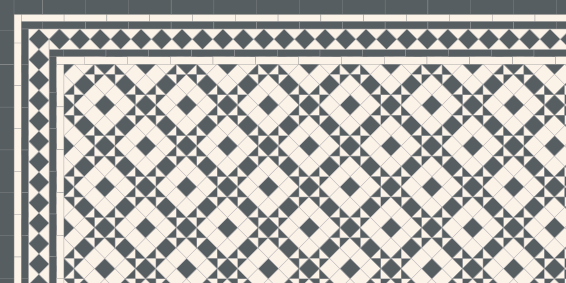
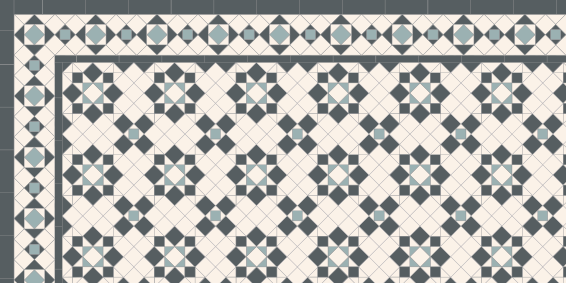
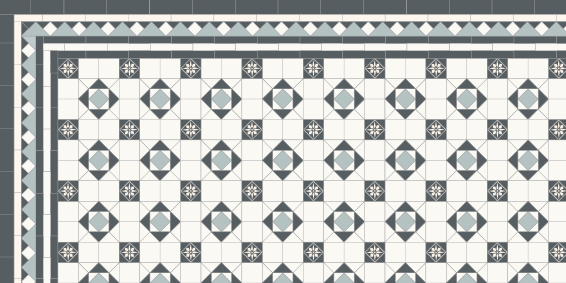
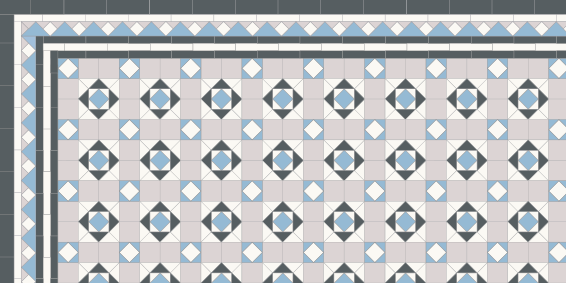
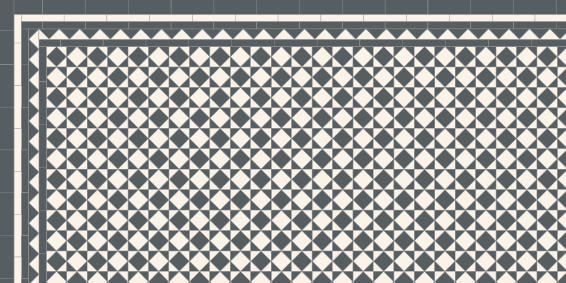
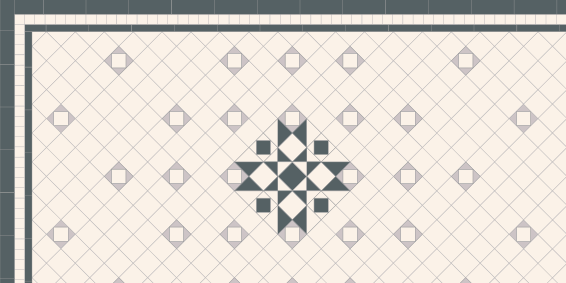
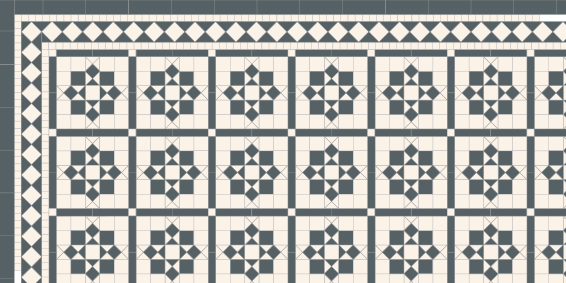
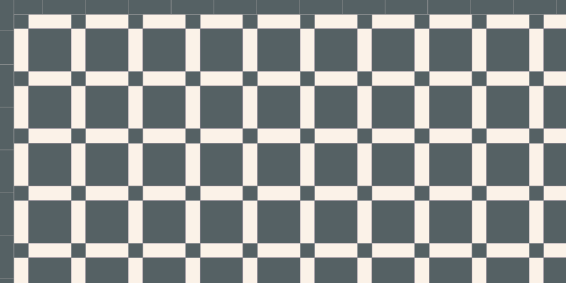
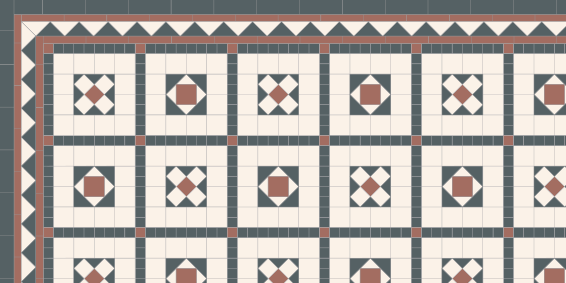
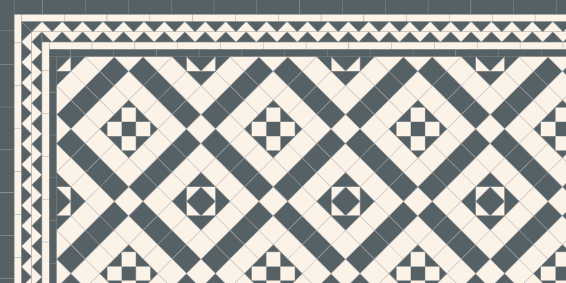
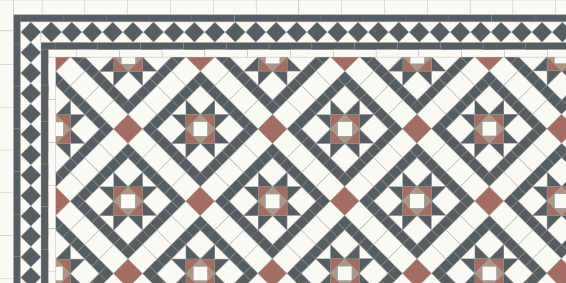
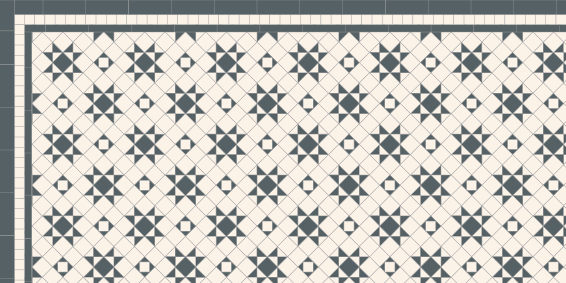
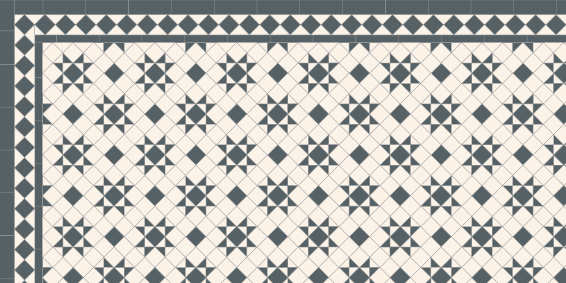
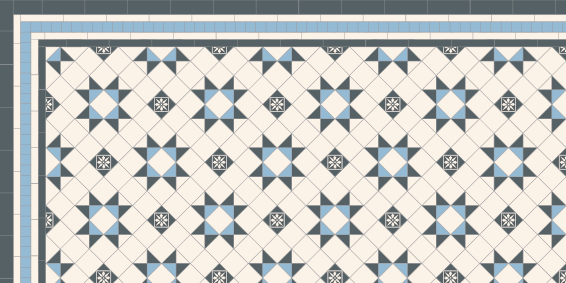
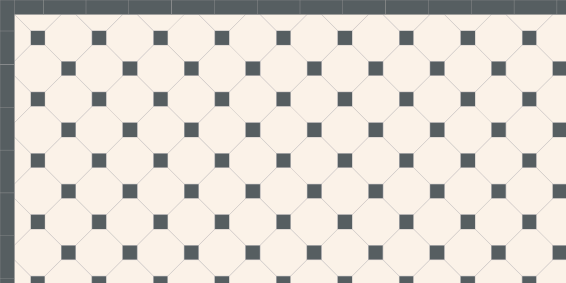
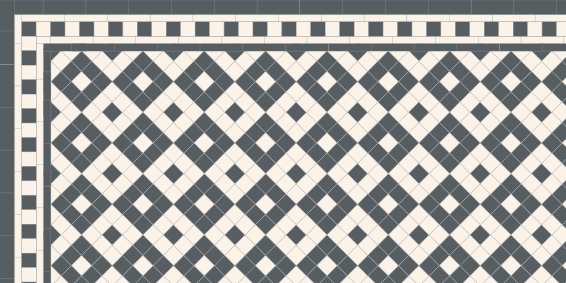
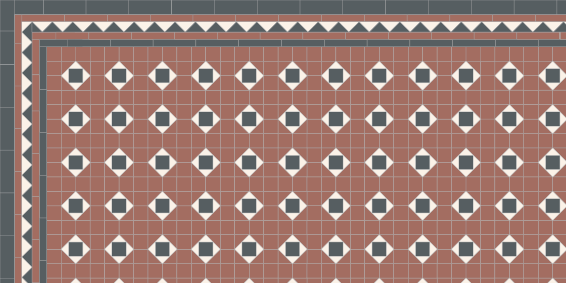
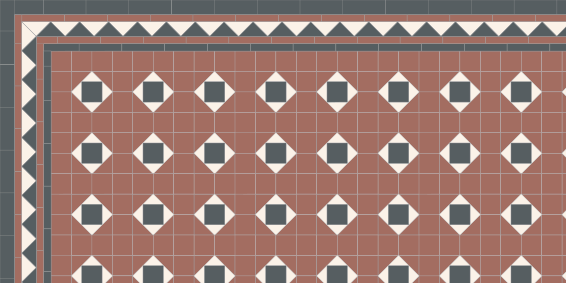
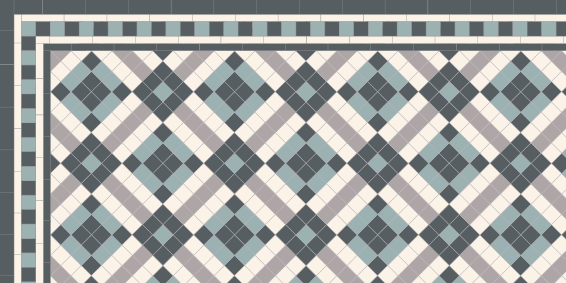
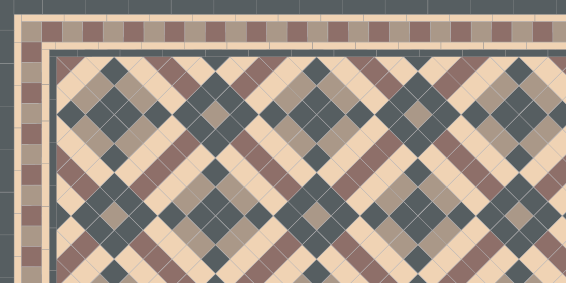
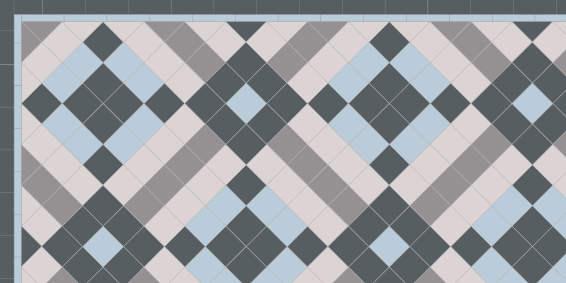
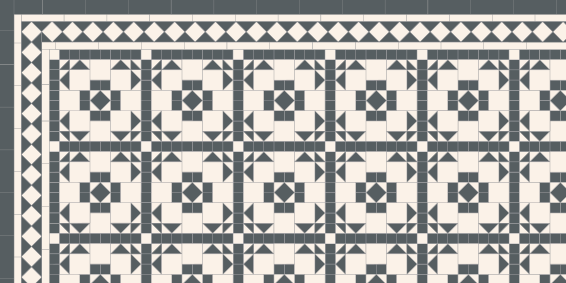
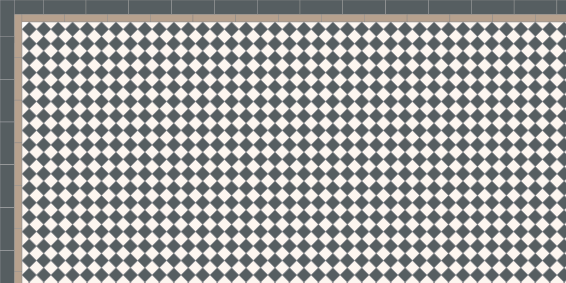
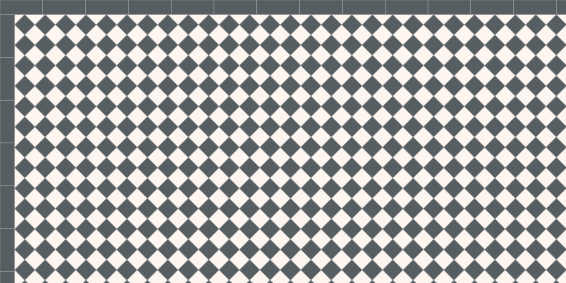
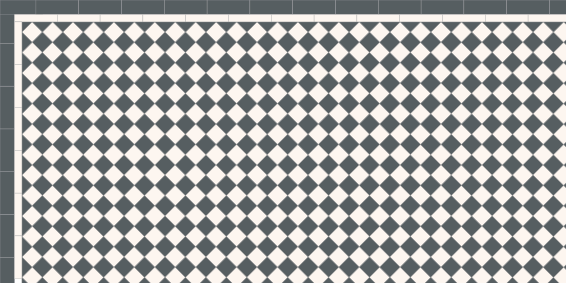
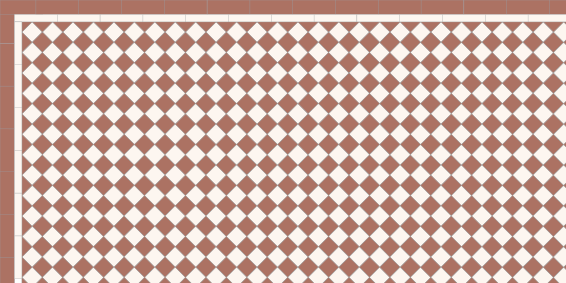
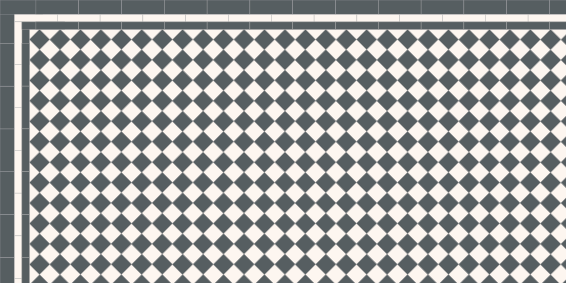
While not all the designs here are strictly Georgian in origin, they encapsulate and echo this respected style. The bold and undisputed Classic 150mm chequerboard evokes the grandeur of formal entrance halls. At the same time, the Colliford design captures a stately composition through smaller, geometric tiles. Whitecross and Cambridge designs echo the distinctive octagon-and-dot and cabochon floors found in Georgian homes, offering a refined sense of rhythm and proportion.
Perfect for hallways, pathways, and living areas, these heritage-inspired floor tile patterns bring understated elegance and historic charm to both period restorations and contemporary spaces.
Inspiration

Narrow your results:
About this design selection
The designs included in this selection are limited to those that feature photographs of the design installed in these spaces.
Remember, our designs and tiles can be used anywhere inside and outside your home. Reach out to our sales and design team to talk about your space.
Explore all designs50 designs




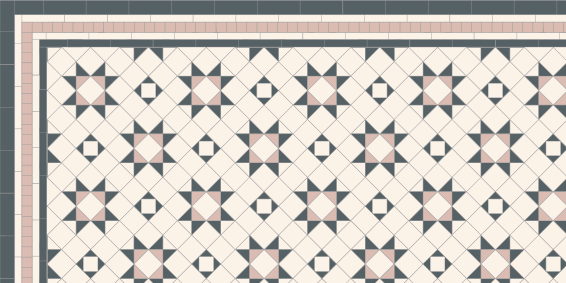
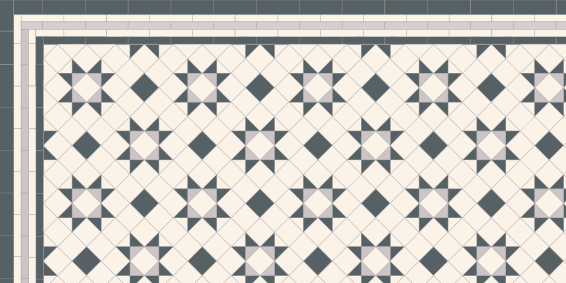
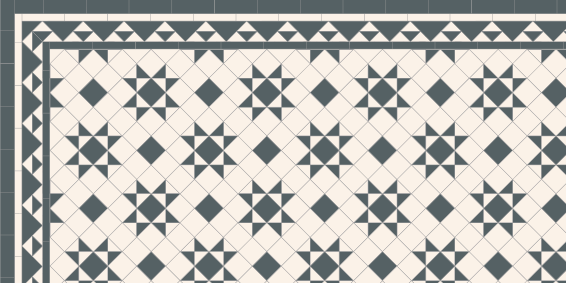
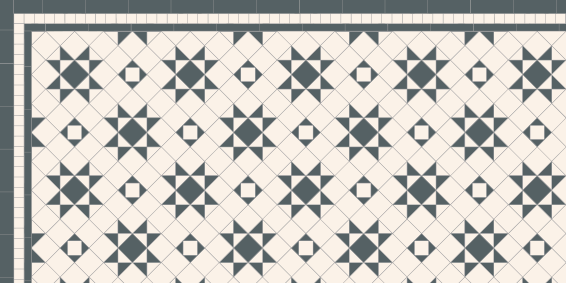

The space filter matches designs that include photographs of how it looks installed in that space. In this instance we don't have any example installation photographs available.
Please get in touch and we can help visualise a mosaic floor
We don't have any designs of this type prepared, but as all of our designs can be customised, please get in touch. We will help design a mosaic floor
What makes a Georgian style floor?
A Georgian-style floor reflects the clean, orderly principles that shaped British architecture between 1714 and 1837. Designs from this era are varied but favour balance, clarity, and simplicity, with geometric layouts that feel measured and composed. Georgian floors are generally less ornate than those of the Victorian or Edwardian period, and possess a restrained style, making this a notable category.
Materials
Floors of the Georgian period commonly featured wood, stone, and marble, each valued for its durability and sense of permanence. People adopted geometric tile schemes when they desired greater control over symmetry and pattern. Using unglazed ceramic tiles allowed designers to create precise, balanced layouts that suit entrance halls, kitchens, and circulation spaces.
Geometric patterns
Geometry and symmetry are fundamental to Georgian design, and layouts typically use tiles in calm, repeating formations to create a sense of openness.
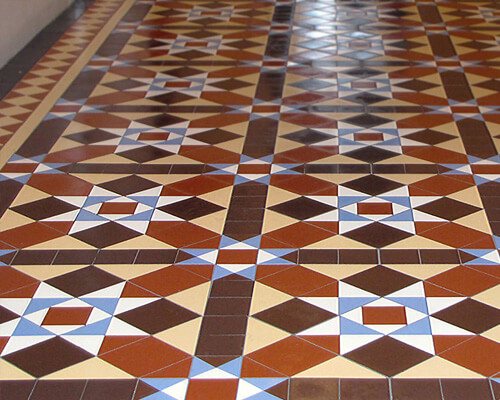
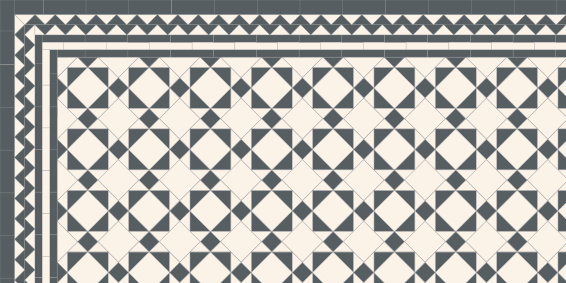
A typical pattern of the era is the octagon and dot formal composition that conveys order and rhythm. The chequerboard pattern continued to be popular throughout this time in a larger format. More decorative designs retained order, often using large, box-like repeats with a less angular orientation.
Restrained colour palette
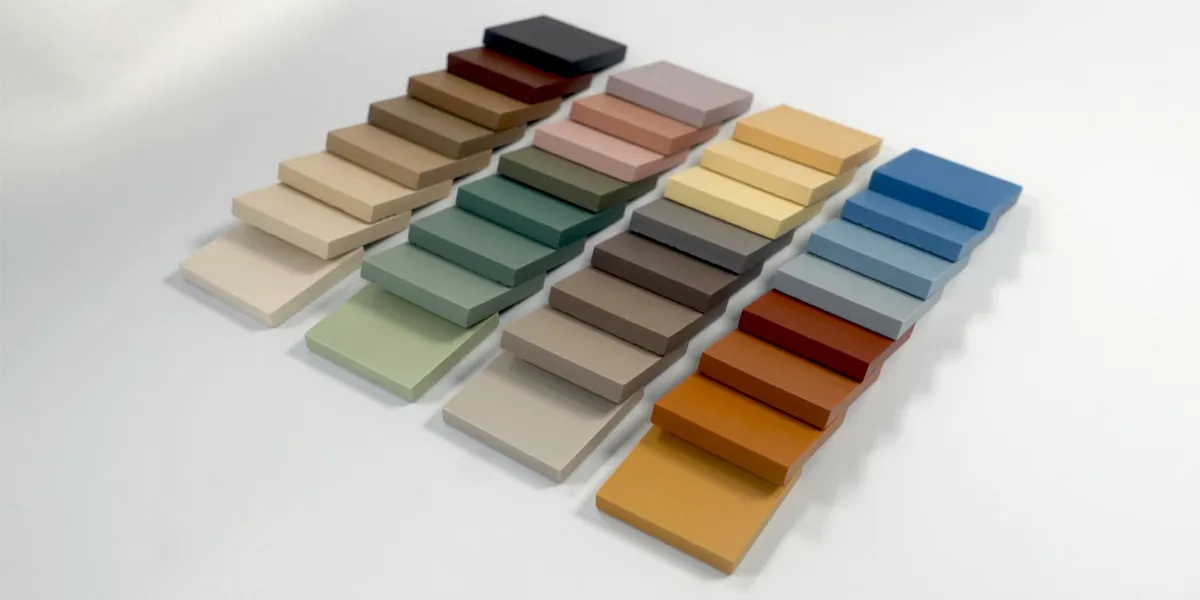
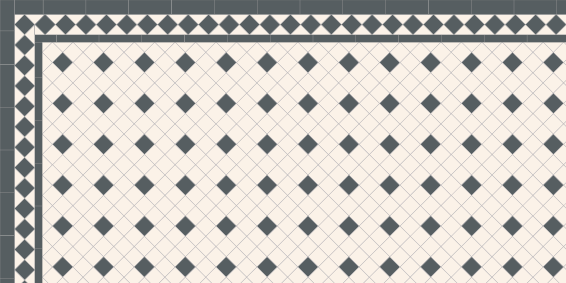
Georgian interiors favour a muted, sophisticated palette, with lighter tones typically forming the base of the scheme. Warm greys and earthy shades create an overall sense of calm; meanwhile, deeper colours such as black or dark grey make for strong accents when used in a scheme. A thoughtful mix of light and dark helps give Georgian floors their characteristic balance and clarity. Designs such as our Norland pattern demonstrate how a restrained placement of colour and shape can create an elegant composition.
Elegant borders
Borders in Georgian schemes are modest and architectural, providing structure without competing with the geometry of the field. A simple three-line border is a common choice for framing a plain layout. For a slightly more pronounced edge, there are many options to consider that will bring a balanced aesthetic that characterises the period.
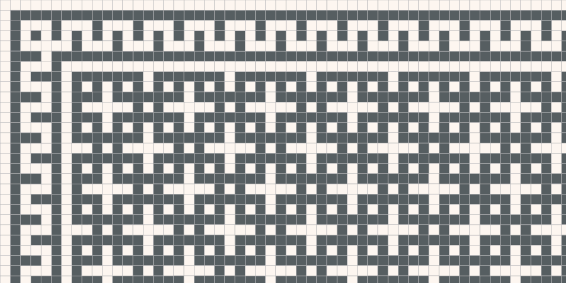
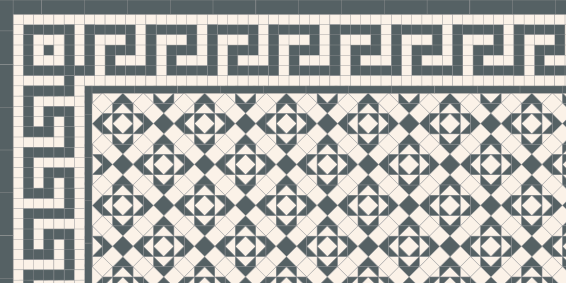
For a border with a firm classical reference, the Greek key border is a notable option. Its continuous linear motif adds architectural presence and formality.
Recently viewed ...
Prices exclude VAT